Western South Dakota parents turn to parking lots to save Halloween
Trunk-or-treat events and nursing home visits have replaced door-to-door candy hunts in parts of the region, prompting some residents to call for a return to traditional porch lights.
By Emily Lawson ·
Parents in Western South Dakota are increasingly abandoning door-to-door trick-or-treating in favor of organized parking lot events and nursing home visits. The shift is driven by the region's harsh October weather and a growing disconnect between homeowners and visiting children. Residents describe a fading tradition where the simple act of turning on a porch light once served as a clear signal of participation in the holiday.
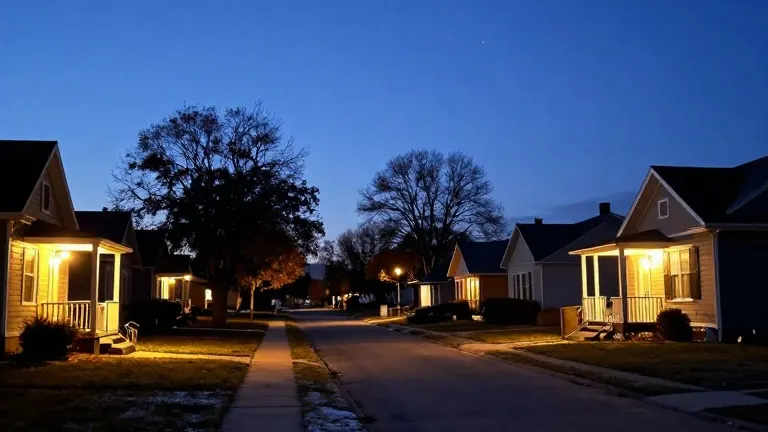
Until recently, the social contract in towns like Sturgis was straightforward. A lit porch meant the homeowner expected visitors and had candy ready. A dark porch meant the family was opting out and did not want to be disturbed. Children understood this code early in their schooling. Homeowners who lit their porches but failed to provide treats faced the risk of older children enacting the "trick" portion of the custom, often leaving eggs on siding or toilet paper in trees.
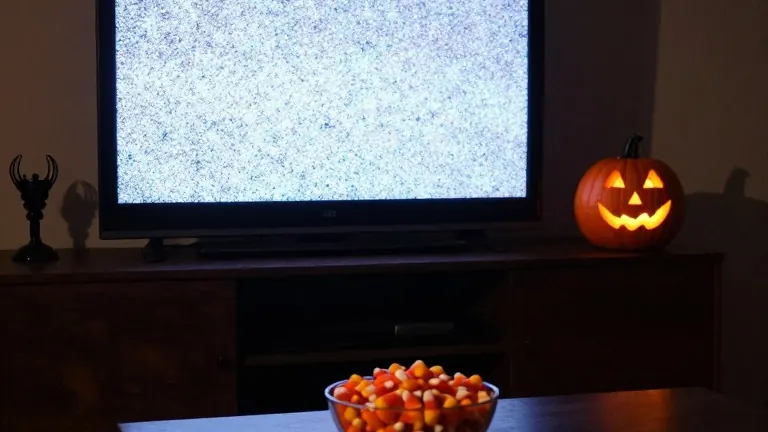
That implicit agreement has largely dissolved. In 2026, many families report walking up to houses with bright porch lights and hearing televisions inside, only to find no one answering the door. This pattern of empty houses has shortened the typical candy run and left parents frustrated. The uncertainty has led many to seek more predictable alternatives for their children.
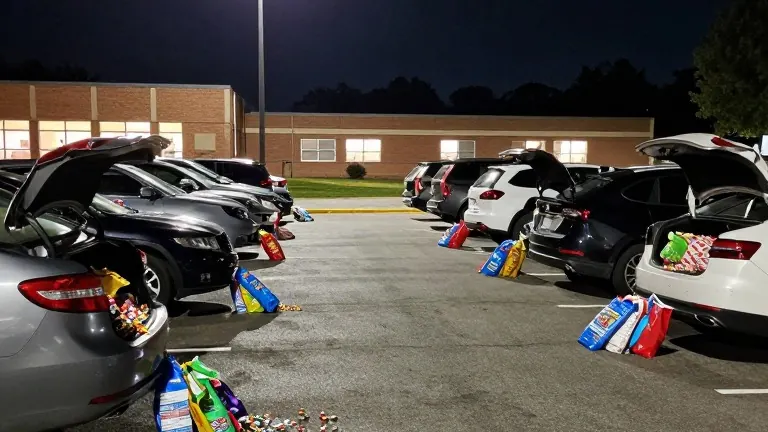
Trunk-or-treat events, typically held in church parking lots, have become a primary replacement. These events offer a warmer and safer environment for young children, particularly in areas where temperatures can drop to 15 degrees below zero with 30 mph north winds. Nursing home visits provide a similar structured alternative where residents interact directly with costumed children.
Collin Duprel, a guest columnist for the Rapid City Post, argues that while these alternatives are efficient, they lack the experiential value of the traditional hunt. He compares the convenience of a parking lot event to buying a deer tag at a store rather than going on a hunt. The traditional method involved learning the layout of one's neighborhood in the dark and identifying which houses offered premium candy and which offered trinkets.
Last year, Duprel took his children to a church trunk-or-treat event in the afternoon. The visit was polite and efficient, concluding in 20 minutes with a large amount of candy. His children also visited a nursing home that evening. However, Duprel noted that his children enjoyed the subsequent walk through a residential neighborhood after dark the most. They returned with less candy than from the parking lot but remembered specific interactions, such as a man in a skeleton suit jumping from bushes.
Many residents now advise homeowners to honor the old code by turning on their lights and stocking extra candy. Some suggest placing a bowl on the porch if they cannot answer the door. Parents are encouraged to allow children to walk and knock, embracing the cold and the physical effort of the tradition.
The porch light remains the primary symbol of invitation for the holiday. As the practice of door-to-door visiting declines, local advocates suggest that the light should be used to maintain the communal aspect of Halloween while the memory of the custom remains clear.
Source: Rapid City Post