Parking lot candy runs replace neighborhood walks
Trunk-or-treating, a practice born from pandemic safety fears, has become a dominant Halloween custom that critics say prioritizes parental convenience over child independence.
By Mateo Castillo ·
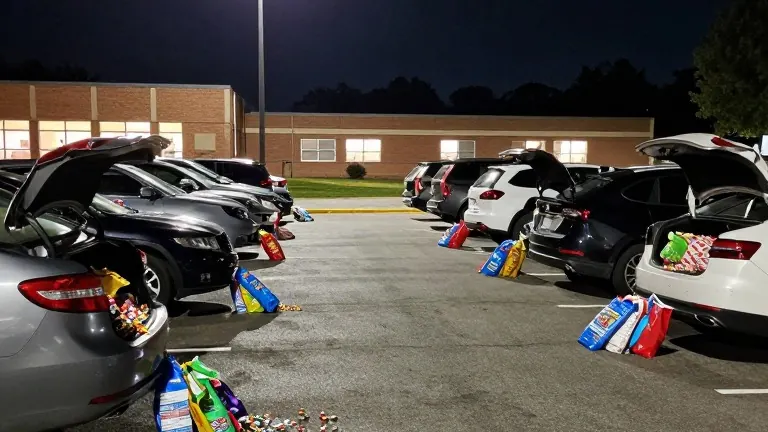
For many American families, the Halloween experience now ends in a parking lot rather than a living room. Parents gather in open spaces, open vehicle trunks, and distribute candy as children walk between cars. This format, known as trunk-or-treating, has shifted from a temporary pandemic measure to a standard alternative to traditional door-to-door trick-or-treating. Critics argue the change reduces a holiday built on exploration to a rapid transaction focused on efficiency.
The practice emerged in the 1990s but gained widespread traction during the COVID-19 pandemic. At that time, parents worried that close contact with neighbors and other children at doorsteps would spread germs. Spacing cars in a lot allowed for easier social distancing. Once established, the format persisted as parents prioritized perceived safety over the spontaneous nature of walking through neighborhoods. The convenience of a fixed location and the ability for adults to supervise from a distance kept the trend alive after the pandemic ended.
Supporters of the format often cite safety concerns, including fears that neighbors might contaminate candy with foreign objects. Recent studies have largely debunked the likelihood of such incidents, describing them as a form of moral panic rather than a statistical reality. Nevertheless, many parents view the controlled environment of a parking lot as a way to minimize risk. This preference reflects a broader parenting trend toward high control and low effort, where technology and structured events replace the uncertainty of wandering dark streets.
Faith Richardson, a writer for The Pitt News, notes that trunk-or-treating often feels more like a social event for adults than a rite of passage for children. The setup resembles a sports tailgate, with parents using folding chairs and drinks while their children move quickly from trunk to trunk. Because the cars are close together, children collect large amounts of candy in a short time, shortening the overall experience. This rapid pace removes the adventure and community connection that define traditional trick-or-treating.
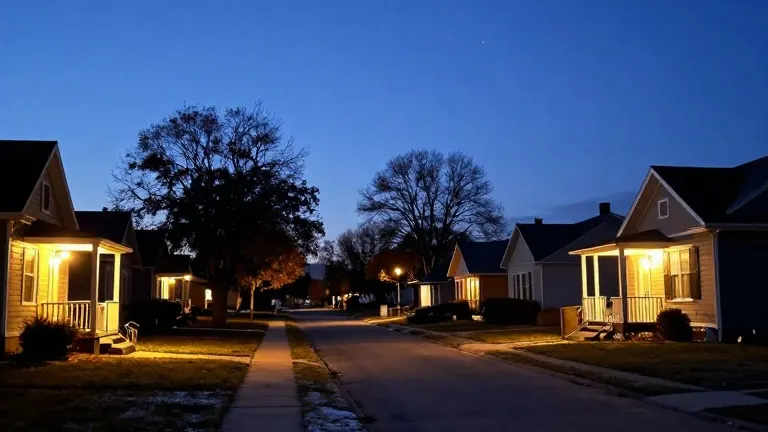
The shift also impacts how children view independence. By keeping children within a small, lit area under fluorescent lighting, parents reduce the need for kids to navigate their own environment. Richardson suggests this contributes to a culture of impatience, where holidays become rushed versions of past traditions. While the format works well for rural areas or urban homes near main roads where walking is difficult, it does not suit every neighborhood.
The practice is scheduled to continue on Halloween night, October 31, 2026. Families who choose this method will gather in parking lots at schools or churches, turning the holiday into a static event. Those who opt for traditional trick-or-treating will continue to walk through residential streets, relying on neighborly trust to complete the custom. The choice between the two methods remains a personal one, but the prevalence of parking lot gatherings indicates a lasting change in how Americans celebrate the holiday.