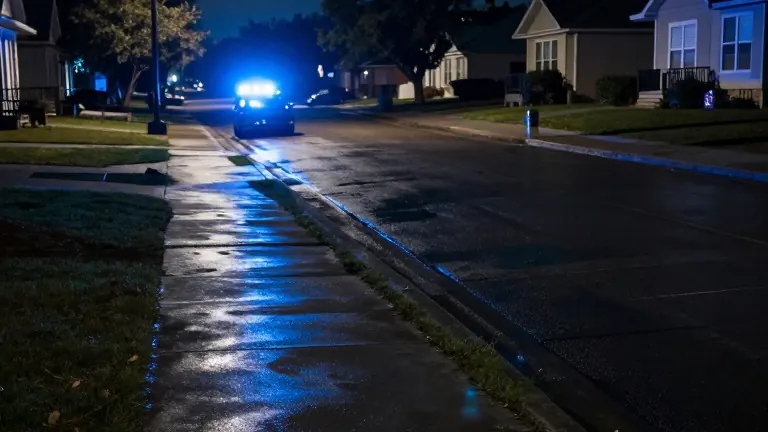
Pilot questions Learjet route near storms
A former NASA employee argues the jet had a safer path to North Eleuthera before crashing in South Florida.
By Richard Evans ·
South Florida. Mike Slack, an aviation attorney and licensed pilot, says the Learjet 60 that crashed on Sunday flew dangerously close to a severe storm system. The aircraft lost control and plunged into the ground in a fatal accident.
Slack, a former employee of NASA's Johnson Space Center and an aerospace engineering alum from Texas A&M University, told the Houston Chronicle on Tuesday that the plane entered the fringe of a very developed storm. He noted that the crew reported light icing and moderate turbulence to air traffic control before the rapid descent. The outside temperature was minus 47 degrees Celsius at the time of the incident.
Slack argues that the pilots had a clear alternative. He states that a route through Jacksonville would have avoided the weather entirely. This path would have added only a few minutes to the flight time. The route through Miami, which the aircraft took, would have saved six minutes. Slack questions why the pilots chose the path with known weather risks when a clear northern route existed.
"Why put yourself in the situation when there was a north route that would have gotten you to North Eleuthera without any risk of weather?" Slack asked. He emphasized that the weather was visible on radar before takeoff. The standard of care in aviation has evolved to keep aircraft at least 30 miles from the edge of intense thunderstorm activity.
Slack believes the storm conditions may have triggered a sudden stall. Ice buildup on the jet's cold surface or a powerful updraft within the storm could have caused the aircraft to lose lift. He describes the Learjet 60 as a model with a strict reputation in the industry. Pilots often call it a widow maker because of its tendency to crash on final approach.
"Once that stall occurs in a Learjet 60..even an astronaut cannot recover that airplane," Slack said. He described the loss of lift as similar to flipping a switch. The design of the aircraft leaves little room for pilot intervention once the stall begins. Slack noted that charter jets can be safe in the right hands, but they require pilots who understand the specific handling habits of the airframe.
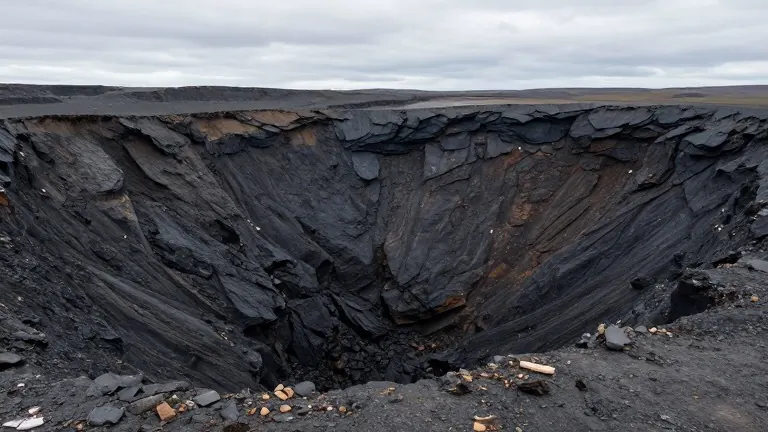
The National Transportation Safety Board is investigating the crash. Officials have not yet determined the cause, but they say weather remains a major focus of their inquiry. Slack says the outcome of the crash is straightforward, but the events leading up to it are still unknown. The NTSB expects to access the crash site crater on Wednesday.
Slack warns that recovering useful evidence from the crater may be difficult. He likens the impact to a bomb explosion, noting that debris and hazardous materials may have spread about a half mile in all directions. The site contains fuel, oil, and other compounds created by the intensity of the impact. He estimates that properly screening the area for hazards could take three to four weeks.
Upper Jets, the company that operated the flight, did not return calls for comment. The company's listed email address bounced, and its voicemail box was full when the newspaper attempted to reach them. Slack remains focused on the question of why the aircraft was in that specific location with the weather system present for such a long time.
Source: Houston Chronicle · original report published