
NTSB Begins Evidence Collection in Florida Learjet Crash
Investigators found tail fragments a mile from the crash site, confirming the jet broke apart before impact, as they search for the cockpit voice recorder.
By Mateo Castillo ·
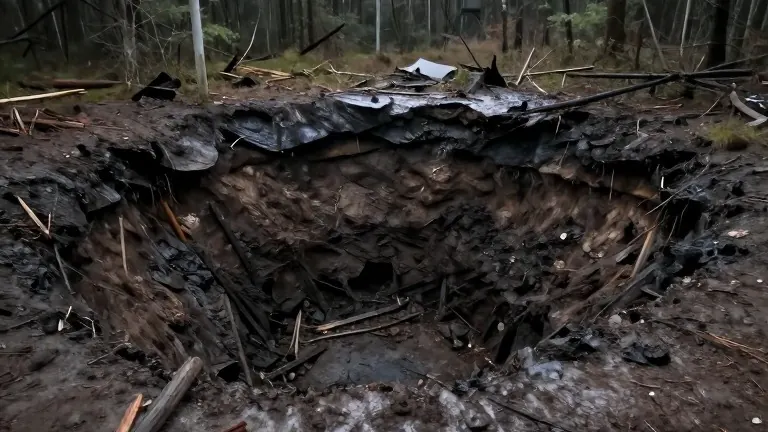
Investigators confirmed on Tuesday that the Learjet broke apart in the air before it struck the ground in Florida. Fragments of the elevator, a key control surface that manages the plane's nose angle, were found more than a mile away from the main crater. The discovery supports the theory that the aircraft disintegrated during its descent.
The crash killed all nine people on board. The jet was headed to the Bahamas when it encountered a thunderstorm. Witnesses captured dramatic video of the event, and air traffic control records show the co-pilot reported the plane was being thrown up and down more than 700 feet. The crew asked for a better route through the area.
The National Transportation Safety Board is leading the inquiry. NTSB member Tom Chapman stated that the goal is to understand why the accident happened and to recommend changes to prevent future incidents. The agency is currently searching for the cockpit voice recorder. Chapman noted that this device will provide critical data about the pilots' communications as they lost control due to turbulence and ice buildup.
Retired airline pilot and aviation safety expert John Cox questioned why the pilots descended from their cruising altitude of 41,000 feet. Cox said that staying at a higher altitude provides a better view of storm cells. He noted that the aircraft steered around a larger storm but headed directly into a smaller, rapidly developing one. Investigators will now review the plane's weather radar data and maintenance records to determine if the crew was aware of the specific storm cell.
Weather conditions have complicated the evidence collection process. Heavy rains over the past week have filled the crater with water, potentially submerging debris. A utility pole had to be removed from the site. The NTSB is asking anyone who finds plane parts to report them so investigators can collect the items.
The NTSB plans to release a preliminary report in about one month. This document will provide factual details of the crash but will not yet include an analysis of the cause. Debris will be moved to a secure hangar where experts can test intact components and attempt to reassemble parts. The final report typically takes 12 to 18 months to complete. The agency has roughly 400 workers handling over 1,200 active investigations.
The NTSB will interview air traffic controllers, officials from Upper Jets, and staff at the Texas airport where the flight originated. The board will also work with the National Weather Service and the Federal Aviation Administration to analyze the specific weather conditions the plane encountered at 35,000 feet.
Source: KPRC-TV · original report published