Zack Mullock Spends $1 Million Against Van Drew in NJ-02
The Cape May mayor is challenging the South Jersey congressman in a race that analysts say could hinge on turnout in minority-heavy cities.
By Emily Lawson ·
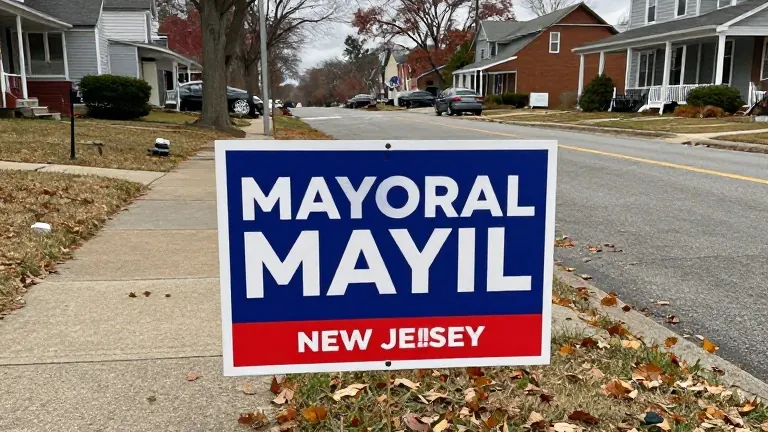
Zack Mullock, the mayor of Cape May, is spending heavily to unseat U.S. Rep. Jeff Van Drew in New Jersey’s Second District. A liberal super PAC is directing $1 million of outside money toward the incumbent's opponent in the run-up to Tuesday's election. Mullock had raised about $855,000 by the October 22 disclosure deadline, trailing Van Drew’s total of $2.3 million. However, Mullock brought in $136,000 during the first half of October, according to federal records.
The focus on this district represents a shift for national Democrats. Earlier this summer, their primary target in New Jersey was the Seventh District held by Rep. Tom Kean Jr. The change came after Gov. Mikie Sherrill came within single digits of winning Van Drew’s district during her 2025 gubernatorial campaign. Suzan DelBene, head of the Democratic Congressional Campaign Committee, described Van Drew as a spineless politician who prioritizes tax breaks for the wealthy while raising costs for constituents.
Critics point to Van Drew’s vote for a tax and spending cut law that reduced Medicaid funding by $1 trillion over the next decade. The same legislation cut approximately $285 billion from food aid programs. U.S. Rep. Donald Norcross, who stumped for Mullock, called the vote difficult to understand. The district was home to about 162,900 Medicaid enrollees in 2025, or 20% of the population, according to KFF data.
Van Drew defended his position in a previous interview, stating the vote was not for seniors, kids, or pregnant women. He argued it was meant to protect the program for those who are rightfully eligible. Rep. Bonnie Watson Coleman, a Democrat from the 12th District, said in May that Van Drew is weak and that his district’s diversity offers Democrats a path to victory without redistricting.
Census records show that Atlantic City and Pleasantville, both located in the district, have substantial populations of Black and Latino voters. Combined, these groups make up more than 60% of Atlantic City’s population. In Pleasantville, the figure exceeds 80%. Watson Coleman noted that Van Drew has a relationship with the president that Democrats can use in their messaging.
Van Drew, a dentist who switched from the Democratic to the Republican Party in 2020, has been a key ally to President Trump. The president reportedly asked Van Drew for input on an executive order weakening offshore wind farms and offered him a Cabinet position. Van Drew also led a congressional push to investigate a voter registration error that affected more than 6,000 New Jersey residents.
At a debate at Stockton University last week, Mullock criticized Van Drew’s support for the second Trump administration’s foreign policy. He asked voters if they were better off than they were two years ago. Van Drew’s campaign manager, Ron Filan, said in an early October statement that the congressman does not take anything for granted and will campaign hard.
The Cook Political Report rates the seat as solid Republican, noting the district voted for Trump by 13 points. The University of Virginia’s Center for Politics recently changed its forecast from safe to likely Republican. However, analysts at the center said it would take a massive blue tsunami to remove Van Drew from office. Steve Kornacki, chief data analyst at NBC News, said the working-class background of the district insulates candidates like Van Drew.
Van Drew has occasionally bucked his party, helping to block an anti-union bill and voting for a labor bill sponsored by Norcross. He also amended a transportation bill to prevent the shipment of horses for slaughter into Mexico. Days before the midterms, former Gov. Chris Christie told a crowd that his party faces a shellacking. He warned that losing seats in traditional Republican strongholds would cause significant political trouble.
The national environment appears favorable to Democrats, with Trump’s approval rating in the low 30s and sour views of the economy. Between 1934 and 2018, the president's party lost an average of 28 House seats in midterm elections. Democrats lost 10 seats in 2022. Van Drew predicted Democrats would focus on inflation and gas prices, while Republicans would argue against a socialist model of government.
Source: NJ Spotlight News