Midterm math: What it takes to flip Congress
Republicans hold narrow leads in both chambers, but Democrats need specific seat gains to seize control of the House and Senate.
By Mateo Castillo ·
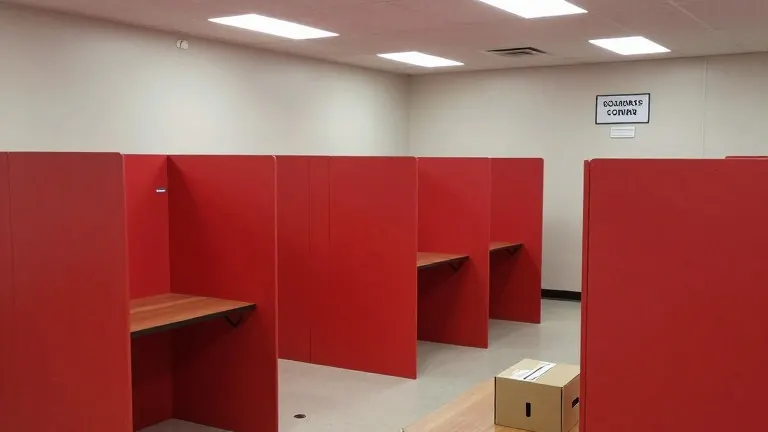
Voters in Harris County and across Texas cast ballots on Tuesday to decide the balance of power in Washington. The outcome will determine which party controls the House and Senate as the country enters the second half of President Donald Trump's term.
The House of Representatives faces a full reset of all 435 seats. Speaker Mike Johnson of Louisiana currently commands a tight majority. His side holds 218 seats, bolstered by one independent, Rep. Kevin Kiley of California, who generally aligns with the speaker. Democrats hold 214 seats. Two vacancies exist following recent resignations, giving Johnson a practical edge of 220 to 215 over Minority Leader Hakeem Jeffries of New York.
Democrats must gain a net total of three seats to reach the 218 required for a majority. If they succeed, Jeffries would become the first Black person to serve as House speaker. His campaign focuses on affordability and anticorruption. "The American people are fed up," Jeffries told reporters this month. He stated that his party is on track to win the chamber.
Republicans are defending their legislative record from the past two years. They point to the Working Families Tax Cuts Act, previously called the One Big Beautiful Bill, as evidence of their productivity. Johnson argued in an interview with CBS that the facts show success. "We are bringing down the cost of living," Johnson said. He also warned voters against what he termed Mamdani madness, a reference to New York City’s mayor and the rise of democratic socialist candidates in primaries.
The Senate contest involves 35 of its 100 seats. Thirteen seats held by Democrats and 22 by Republicans are up for six-year terms. Majority Leader John Thune of South Dakota holds a 53 to 45 advantage. This count includes two independents who caucus with Democrats, bringing their total influence to 47 seats. Vice President JD Vance holds the tie-breaking vote, which allows Republicans to absorb a net loss of three seats and still retain control.
Democrats face a steeper climb in the upper chamber. Minority Leader Chuck Schumer of New York needs a net gain of four seats to flip the majority. The current margin is narrow, leaving little room for error in either party's calculation.
Early voting numbers provide an initial look at turnout. More than 57 million Americans had cast ballots early as of Monday night, according to data from the University of Florida's Election Lab. These figures set the stage for the final tally expected later this week.
Source: KTRK-TV · original report published
More Politics · Houston news · Report a business · Got a Story?