Record spending defines 2026 election as voters head to the polls
Harris County residents vote Tuesday in a costly contest where Republican committees outspent Democrats, despite Democratic advantages at the candidate level.
By Mateo Castillo ·
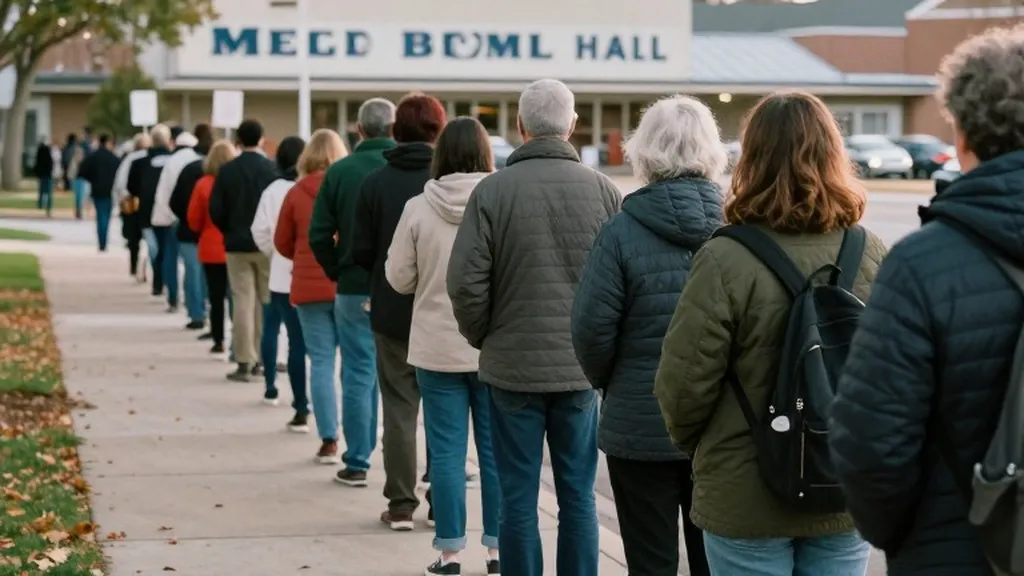
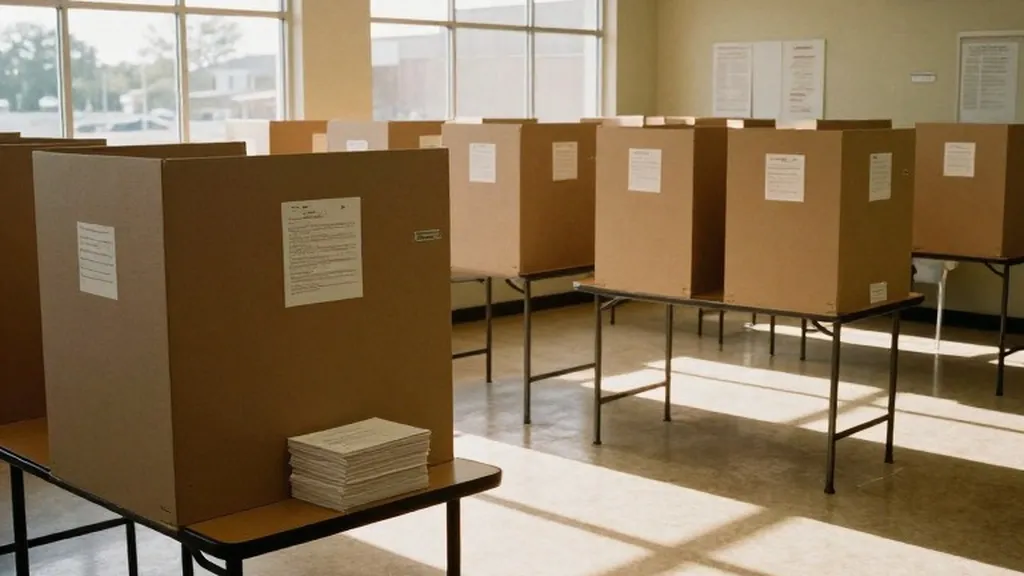
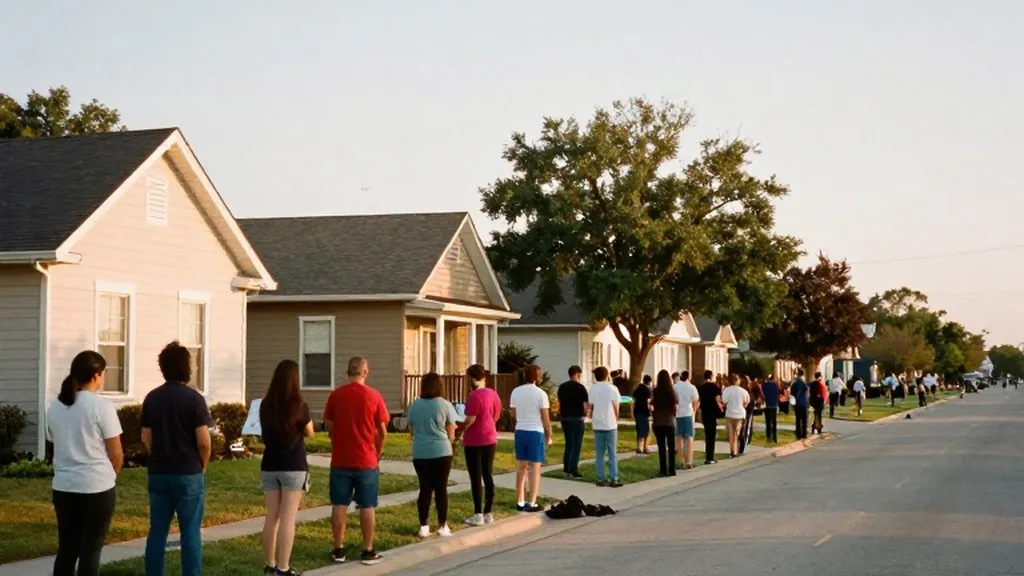
Polls in Harris County opened at 7 a.m. Tuesday, marking the start of a historic election day for voters in Houston, Pasadena, Pearland, League City, Sugar Land, and Baytown. Residents are casting ballots in a midterm election that will determine the balance of power in the U.S. Congress for the final two years of President Donald Trump's second term. The day is defined by intense competition and unprecedented financial investment in the races.
In Texas, voters are deciding the state's U.S. Senate seat, a race that features Republican Attorney General Ken Paxton against Democrat James Talarico. The Associated Press notes that President Trump backed Paxton over incumbent Senator John Cornyn during the primary. Texans are also choosing between incumbent Republican Governor Greg Abbott and his Democratic challenger, alongside every U.S. House seat in the state. According to Ballotpedia, the state uses a new congressional map for this election, a change that has drawn attention to how voters in the new districts may align with the candidates.
The 2026 elections are expected to be the most expensive in history, according to the Associated Press. This surge in spending has created a complex financial landscape for the political parties involved. Republican committees have outraised and outspent their Democratic counterparts at the committee level. This advantage was bolstered by significant contributions from Trump-affiliated groups and billionaire Elon Musk, who has been a prominent figure in the funding of various Republican efforts.
Despite the committee-level spending edge held by Republicans, the Associated Press reports that Democrats outraised their opponents at the candidate level. This dynamic suggests that while the overall war chest for the Republican side is larger, individual Democratic candidates have managed to secure substantial funding relative to their Republican rivals. The disparity highlights the different strategies each party has employed to secure resources for their campaigns.
An analysis by the Associated Press of AdImpact data reveals where the money went. The study found that 88.1 percent of Republican general election television ad spending went to states and districts that Donald Trump won in 2024. This targeted approach was particularly aggressive in areas where the president won by 10 points or more, where Republicans spent more than $850 million on television advertisements. This strategy appears designed to lock in support in solidly Republican areas while potentially discouraging Democratic turnout.
The Associated Press describes the election as a referendum on the president's performance, with many voters expressing frustration over high prices and an unpopular war with Iran. Recent AP-NORC polling indicates that 35 percent of U.S. adults approve of Trump's job performance, while about 7 in 10 believe the country is heading in the wrong direction. These sentiments are likely influencing the decisions of voters in Harris County and across the nation as they weigh their options on the ballot.
More than 57 million people had already voted as of Monday, surpassing the early vote totals from four years ago in many closely watched states. This high level of early participation underscores the intensity of the current political climate. The Associated Press notes that Republicans were bracing for the possibility of losing the House while fighting to hold the Senate, with some analysts suggesting that one or two seats could tip the balance in either chamber.
In Harris County, the local stakes are high as voters decide on state and local offices in addition to the federal races. The county's diverse population and large number of registered voters make it a critical battleground in the state of Texas. Candidates have campaigned heavily in the region, focusing on issues such as the cost of living and local infrastructure, which are top concerns for many residents in the area.
The financial dynamics of the election have also drawn attention to the role of outside groups. The Associated Press points out that while Democrats have a candidate-level edge in fundraising, the sheer volume of spending by Republican committees has allowed them to dominate the airwaves in key areas. This spending war has intensified the debate over the influence of money in politics and its impact on the final outcome of the elections.
As polls close at 7 p.m. in Texas, the focus shifts to the count. The Associated Press notes that Republicans are trying to break the traditional midterm pattern where the president's party loses seats. They have utilized redistricting efforts in states like Texas and Florida to try and secure a favorable map. However, the new districts may not vote as expected, adding another layer of uncertainty to the results.
The election also carries implications for the future of the Democratic Party. If Democrats win control of even one chamber of Congress, investigations and potential impeachment proceedings become more likely. House Democratic Leader Hakeem Jeffries, who would be the first Black speaker of the House, has outlined a 100-day agenda focused on the cost of living and oversight. A strong showing for Democrats could also boost the profiles of potential 2028 presidential candidates, including Gavin Newsom, JB Pritzker, and Pete Buttigieg.