3.25%: The line separating 15 Israeli parties from Knesset seats
Fifteen lists compete for 120 seats in today's vote, with three minor parties hovering around the electoral cutoff.
By Abena Mensah ·
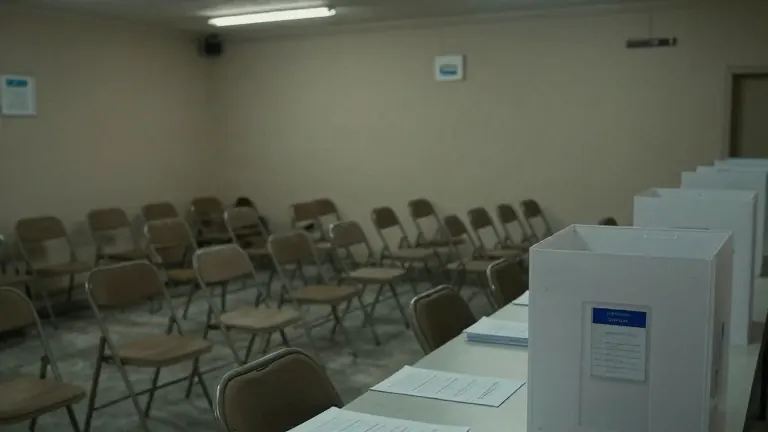
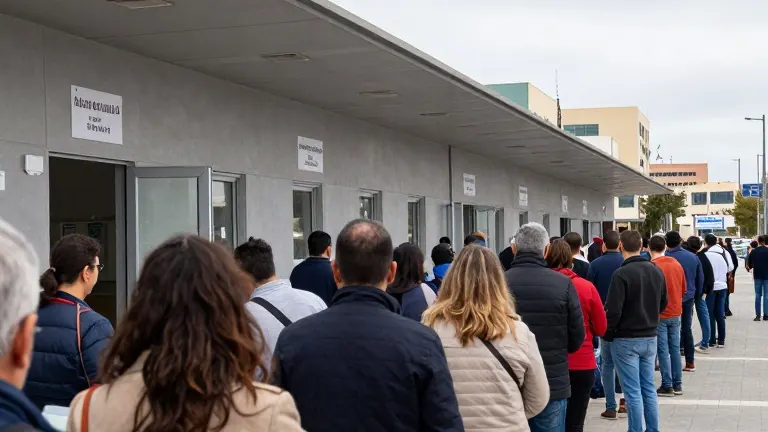
Israelis voted on October 27 to select members of the Knesset. Fifteen lists are on the ballot. The central economic mechanism of the election is the 3.25 percent electoral threshold. Any list that falls below this percentage of the national vote receives no seats. The threshold determines which parties enter the legislature and which ones dissolve into the political margins.
The right-wing bloc is led by Prime Minister Benjamin Netanyahu and his Likud party. This coalition includes Otzma Yehudit, led by National Security Minister Itamar Ben-Gvir. It also includes the Religious Zionist Party-Zehut, led by Finance Minister Bezalel Smotrich and Moshe Feiglin. Both religious parties, Shas and United Torah Judaism, are part of this sitting coalition. Their platforms focus on national security, settlement expansion, and the protection of religious institutions, including exemptions from military service for yeshiva students.
The opposition bloc is a diverse group of centrist and left-leaning parties. Gadi Eisenkot leads Yashar, a centrist security-focused party. Naftali Bennett leads B’Yachad, which prioritizes economic growth and haredi enlistment. Yair Golan heads the Democrats, a left-wing Zionist party focused on civil rights. Avigdor Liberman leads Yisrael Beytenu, a secular nationalist party. The Joint List and Ra’am represent Arab Israeli voters, with differing approaches to civil rights and local governance.
Three parties are fighting to clear the 3.25 percent hurdle. Recent polls place the People of Israel party and the Reservists-Economic Party near the cutoff. Ofer Winter leads the People of Israel, a right-wing list that supports Netanyahu but demands new leadership and haredi enlistment. Yoaz Hendel and Yaron Zelekha lead the Reservists-Economic Party, which combines security stances with economic reform. Moti Leitner leads the Haredi Public Party, which seeks to challenge the dominance of Shas and United Torah Judaism by advocating for broader military service and core-curriculum studies.
The outcome for these three fringe lists will depend on small shifts in voter support. The People of Israel party calls for voluntary emigration from Gaza and rejects blanket exemptions for yeshiva students. The Reservists-Economic Party demands a universal conscription law before joining a government. The Haredi Public Party aims to introduce greater accountability into ultra-Orthodox political leadership. Each of these lists requires at least 3.25 percent of the vote to secure its first Knesset seat.
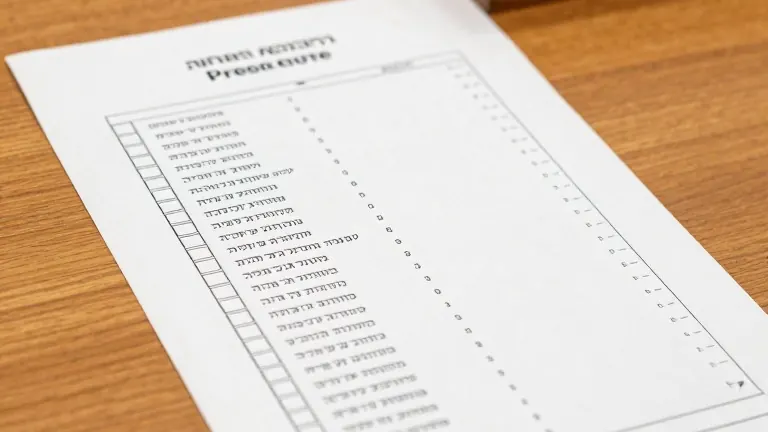
The ballot letters for the fifteen lists are assigned as follows. Likud is marked with the Hebrew letters מ ח ל. Yashar is ד ר כ. B’Yachad is ר ק. The Democrats is א מ ת. Yisrael Beytenu is ל. Otzma Yehudit is ב. The Joint List is ו ד ם. Ra’am is ע ם. Shas is ש ס. United Torah Judaism is ג. RZP-Zehut is ט. The People of Israel is ך. The Reservists-Economic Party is ד י. The Haredi Public Party is ז ך. These letters identify the parties on the official ballot.
Source: The Jerusalem Post