Hebron Displacement: 2,000 Evicted After Checkpoint Attack
Israeli forces sealed the city and cleared the Ein Deir Baha neighborhood following the death of two soldiers, a move critics say serves the election campaign.
By Kendra Wilson ·
Israeli military forces displaced nearly 2,000 residents of Hebron following a fatal gun attack at a checkpoint on Friday. The operation centered on the Ein Deir Baha neighborhood, where soldiers cleared homes and sealed the city ahead of Tuesday's national election.
The assault on the checkpoint resulted in the death of two soldiers. Prime Minister Benjamin Netanyahu and Finance Minister Bezalel Smotrich visited the site on television shortly after the incident. Their coalition currently trails in polling with two days of campaigning left. Netanyahu warned of military operations on a scale unseen in the West Bank for nearly six decades.
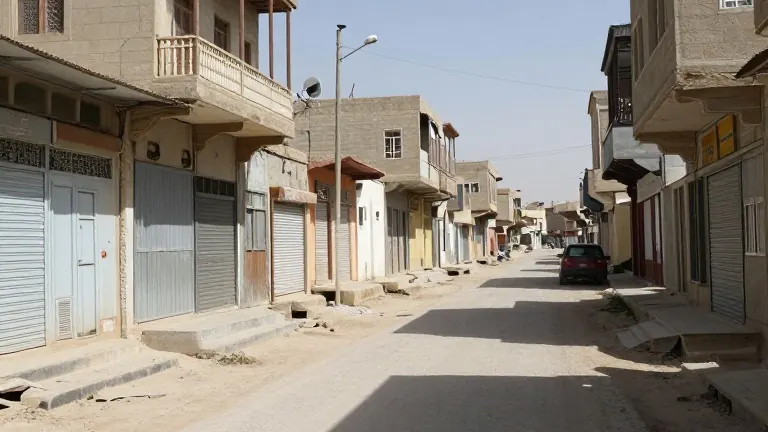
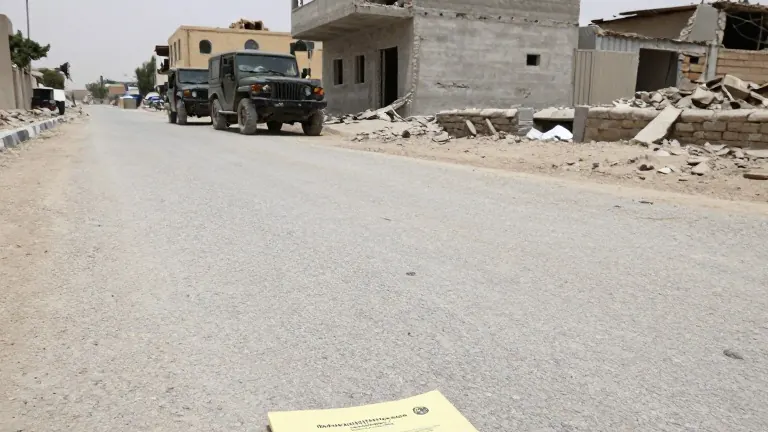
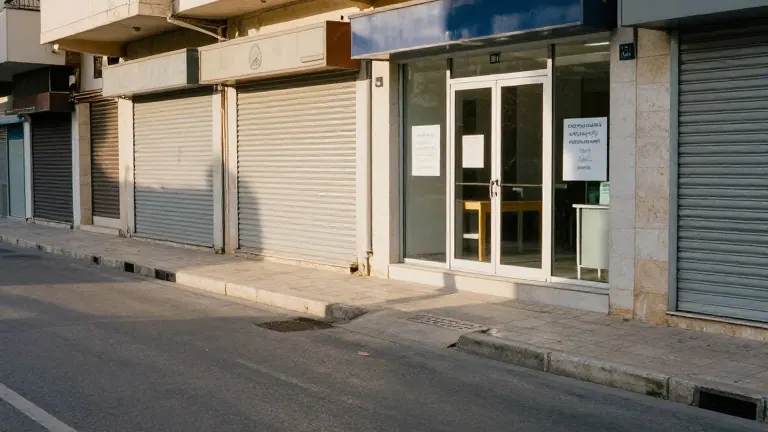
Within hours of the attack, the city of 250,000 was cut off from surrounding areas. In the Farsh al-Hawa district, which is closest to the checkpoint, bulldozers flattened an industrial zone. The area contained car workshops and a ceramics plant. By Sunday morning, only rubble remained of these businesses.
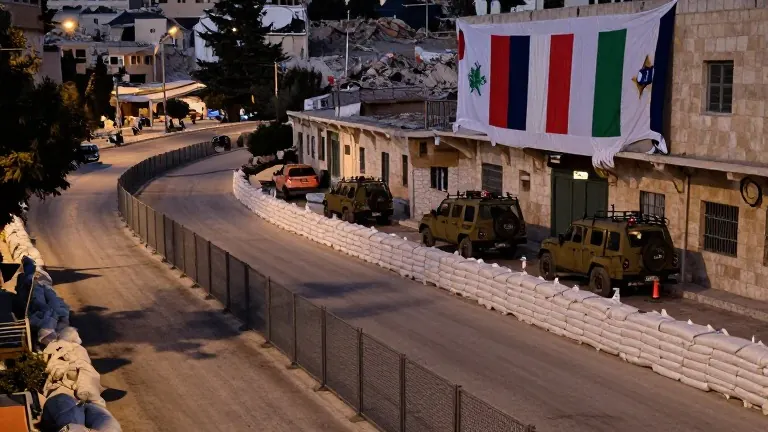
While demolition occurred in one district, military vehicles cleared another area a few kilometers away. Ein Deir Baha was identified as the alleged home of at least one of the two attackers, who were killed at the scene. The Hebron municipality reported that 370 families were displaced during the sweep through this neighborhood.
Fahed Ahmaro, the local mosque imam, described the evacuation order as urgent and forceful. He was woken around midnight by loudspeakers on patrolling vehicles instructing residents to leave for their safety. His family of thirty lived in the targeted house. He moved his mother and grandchildren to a relative's home. Upon returning to collect belongings, he found the army had blown up the front gates. He spent Sunday shopping for clothing, uncertain how long the displacement would last.
The Israeli army stated that residents left voluntarily and that civilians were permitted to evacuate temporarily. Ahmaro rejected this explanation, questioning why he should abandon his home. Abdul Halim al-Tamimi, a 77-year-old resident, said the military arrived at 1:30 a.m. and gave his family ten minutes to depart. An intelligence officer warned them they would be displaced like residents in Gaza if they refused. His family was forced out at 3:00 a.m. Saturday. By Sunday morning, his villa was decorated with Israeli flags and used as a temporary army headquarters.
Military officials said approximately 2,000 people in the area belong to the Jaba'a clan, which they linked to Hamas. Residents disputed this figure, claiming the clan numbers no more than 150 people and has no known reputation for radicalism. Al-Tamimi said his family belongs to a different clan and suggested the operation was designed for election publicity.
By Sunday evening, heavy steel barriers blocked all vehicle access to Hebron. Only pedestrians could move through the city. Wasam Sadi, a delivery truck driver, arrived at a checkpoint with a broken windshield and glass in his eyes after settlers attacked him at a nearby junction. Mayor Yousef al-Jabari labeled the measures collective punishment, noting that media access to the cleared district had been restricted.
Palestinians in the occupied West Bank are not eligible to vote in Tuesday's election. However, the outcome of the vote may determine the future scope of military operations and the status of the city's sealed borders.
Source: The Guardian