Mary Cassatt's 60-Foot Mural Has Been Missing Since 1912
The Art Institute of Chicago is reconstructing the lost piece to tell the story of its creation and disappearance.
By Emily Lawson ·
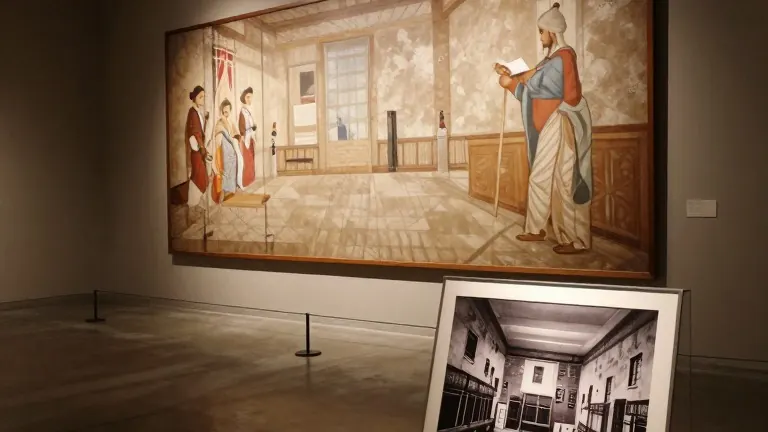
A 60-foot-long mural by American painter Mary Cassatt has been missing since 1912. The massive work, titled Modern Woman, was created specifically for the 1893 World's Columbian Exposition in Chicago. It has never been seen publicly again.
The piece originally hung in the Woman's Building, a structure at the fair that showcased female contributions to American culture. Bertha Palmer, a wealthy Chicago philanthropist, spearheaded the building's development. According to Wanda Corn, a professor emeritus at Stanford University, the space featured exhibitions on women's patents, innovations, and books. It also displayed works related to women as fisherwomen and other roles in society.
Cassatt's mural measured 14 feet high and stretched 60 feet across three panels. It depicted well-dressed women chasing a metaphor for fame, playing music, and tending to an orchard. The central scene showed women plucking the fruits of knowledge and science. This work was mirrored by another commissioned mural from artist Mary MacMonnies, titled Primitive Woman.
After the fair concluded, the Woman's Building was destroyed. Cassatt's mural and other artworks were placed in storage. Annelise Madsen, a curator at the Art Institute of Chicago, identified the Palmer family's Gold Coast mansion as the last known location. The residence stood on Lake Shore Drive and was once the largest private home in the city before demolition in 1950.
The Art Institute's archives contain a letter from the museum's director around 1912. The director inquired about unrolling the mural for a temporary installation. Madsen noted that the paper trail ends with that inquiry. The mural was never brought to the museum. Speculation exists that the piece was damaged by water or burned in a fire, but no definitive evidence has surfaced.
Corn stated that many women have searched for the work and determined it is likely gone. She said she does not think there is a chance the mural will reappear. The exhibition at the Art Institute aims to piece together this history and bring the story to life for visitors. The show marks a key moment in the history of large-scale paintings by women artists.
The mural helped solidify Cassatt's reputation in the United States. It paved the way for other women artists to seek larger commissions in the years that followed. Corn said that if one is looking for the start of women doing large paintings, the story begins in 1893. The work represents a rare opportunity for women artists of that era to undertake an enormous physical undertaking.
Source: Chicago Sun-Times