Harris County voters weigh Abbott's tenure in tight Texas governor race
With polls open from 7 a.m. to 7 p.m., residents in Houston and surrounding towns decide the state's top executive post amid national midterm stakes.
By Abena Mensah ·
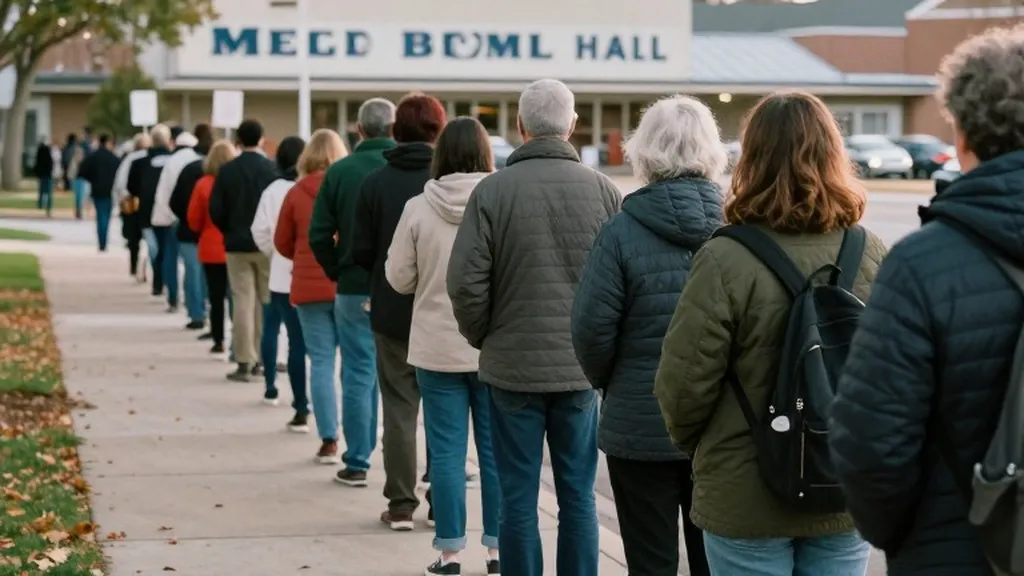
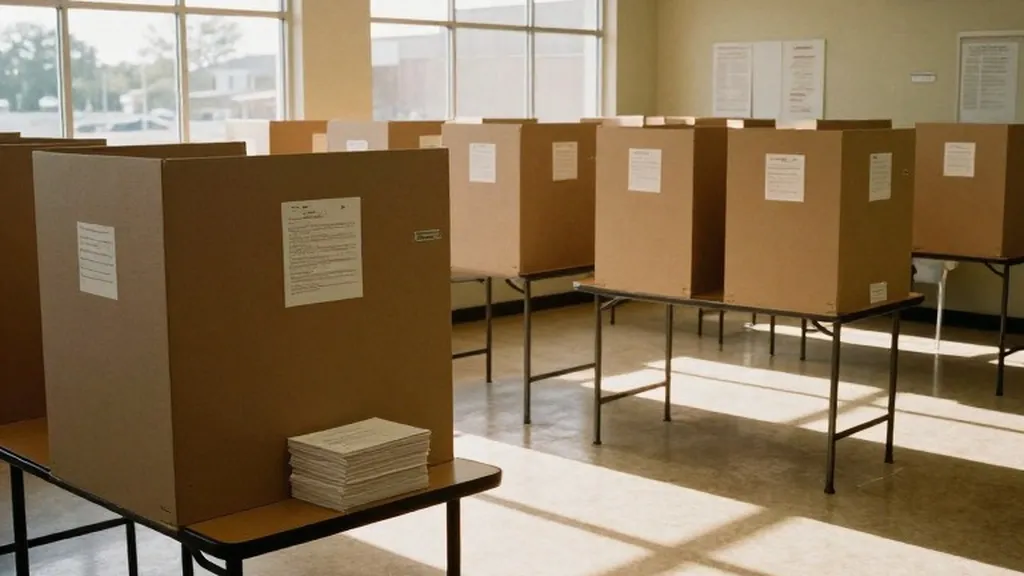
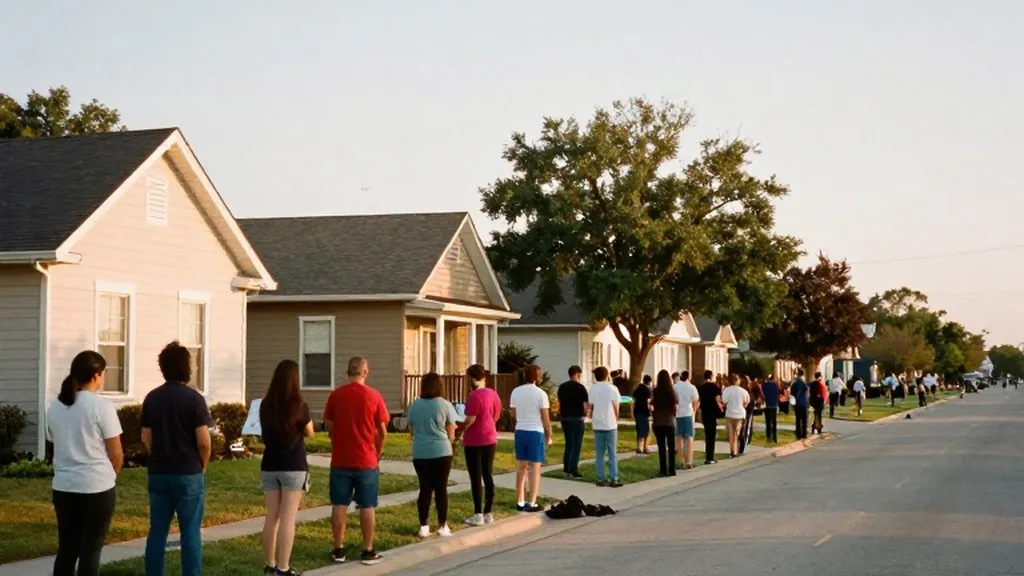
Polling places across Harris County opened at 7 a.m. on Tuesday, November 3, 2026, as voters in Houston, Pasadena, Pearland, League City, Sugar Land, and Baytown began casting ballots in the general election. The Texas Department of State Health Services and local election officials confirmed that polls will remain open until 7 p.m., a window set by state law for this cycle. Citizens who are in line when the polls close at 7 p.m. are entitled to cast their votes, according to Ballotpedia and USA.gov guidance. This timeline is consistent across the state, which is divided between the Central and Mountain time zones.
Voters in Harris County are deciding a high-stakes contest for the Texas governorship, a race that has drawn national attention due to the state's political influence. Incumbent Republican Governor Greg Abbott is running for reelection and faces a field that includes Democratic, Independent, and Libertarian candidates, as listed by Ballotpedia. The Associated Press describes the election as a referendum on President Donald Trump's second term, with voters in Texas and across the country weighing in on economic conditions and national policy. In the governor's race, Abbott is seeking to secure another term while navigating a competitive landscape that includes challengers who have campaigned on issues ranging from healthcare to economic growth.
The Texas governor's race is one of 36 governorships on the ballot nationwide, a number that reflects the scale of this midterm election. According to Ballotpedia, Republicans currently hold 26 governor's offices and Democrats hold 24, with 18 of the contested seats held by each party heading into this cycle. Democrats would need a net gain of two governorships to achieve a nationwide majority, a milestone they have not held since 2010. The Associated Press notes that the race in Texas is considered competitive, alongside Florida and Iowa, where voters are closely watching the outcomes.
Beyond the governor's race, Harris County voters are also deciding the state's U.S. Senate seat, which is an open contest with no incumbent running for re-election. Ballotpedia confirms that the parties on the ballot for this federal seat are the Democratic, Independent, Libertarian, and Republican parties. The Associated Press highlights that Republican Attorney General Ken Paxton, whom President Trump backed over Senator John Cornyn in the primary, is competing against Democrat James Talarico for the Senate seat. This race is part of a broader national fight for control of the Senate, where Democrats need a net gain of four seats to secure a majority, while Republicans can afford to lose only two.
Voters in Harris County are also casting ballots for every U.S. House seat in the state, a process that contributes to the national decision on which party controls the House of Representatives. All 435 seats in the U.S. House are up for election, with Republicans holding 218 seats and Democrats holding 214, according to Ballotpedia. Democrats need a net gain of three districts to achieve a majority, while Republicans can lose no more than two seats. The Associated Press reports that 60 House incumbents, including 23 Democrats and 37 Republicans, did not run again, creating a wave of new candidates in various districts, including those in Harris County.
The mood among voters on Election Day is shaped by economic concerns and a desire for change, according to the Associated Press. An AP-NORC poll indicates that 35% of U.S. adults approve of President Trump's job performance, while 25% approve of his handling of the economy. About seven in ten Americans say the country is heading in the wrong direction, with most blaming the president for high prices. Voter James Moore, a 57-year-old librarian in Raleigh, North Carolina, told the Associated Press, "I'm paying more taxes. I'm paying more for my healthcare. I'm paying more for everything." This sentiment is echoed by voters in Harris County, who are weighing these national issues alongside local concerns.
The election is also marked by significant voter turnout, with more than 57 million people having already voted as of Monday, surpassing the early vote of four years ago in many closely watched states. The U.S. Postal Service has added hours, staff, and special lines to ensure that mail ballots are counted on time, a critical logistical effort for states with high mail-in voting participation. In Texas, where polls are open from 7 a.m. to 7 p.m., election officials have emphasized the importance of checking ID rules and finding polling places via vote.gov or state election offices to ensure a smooth voting experience for residents in Houston and its surrounding communities.
National political leaders are closely monitoring the results, which could determine the balance of power in Congress and the trajectory of the Trump administration's final two years. RNC Chairman Joe Gruters stated, "Everything depends on turnout. If we turn out our voters, we win, and that's what we've been planning for." In contrast, DCCC Chair Rep. Suzan DelBene said, "The American people are angry. They want change." These statements reflect the intense competition for control of both chambers, with one or two seats potentially tipping the balance in either the House or the Senate, according to the Associated Press.
The 2026 elections are likely to be the most expensive in history, with Republican committees outraising and outspending Democratic committees, helped by Trump-affiliated groups and Elon Musk. However, at the candidate level, Democrats have outraised their opponents. An analysis of AdImpact data by the Associated Press shows that 88.1% of Republican general election TV ad spending went to states and districts Trump won in 2024, including more than $850 million in areas where he won by 10 points or more. This spending strategy highlights the focus on consolidating support in Republican-leaning areas while also targeting competitive districts in states like Texas.