Ninth Circuit reverses course on California noncitizen voter probe
A federal appeals court initially allowed the Justice Department to resume its investigation into noncitizen voting in California but then restored the lower court's restrictions after ordering a full bench review.
By News Media House Staff ·
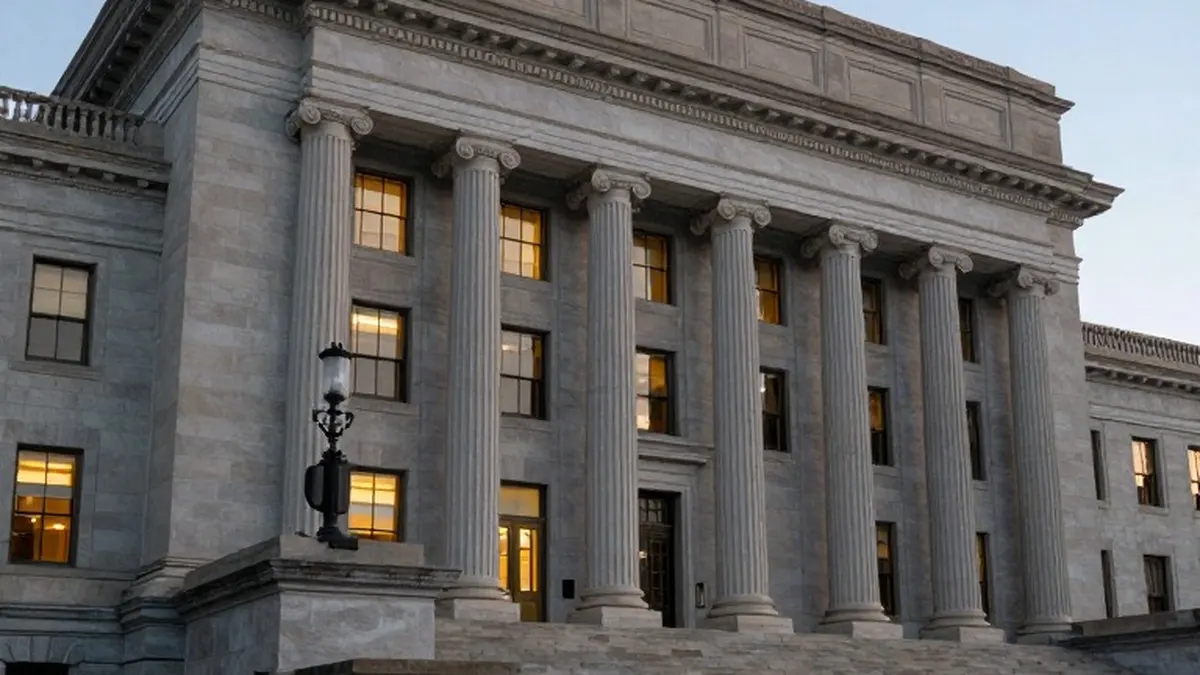
The legal dispute over the federal government's investigation into alleged noncitizen voting in California took a dramatic turn on Monday night. A federal appeals court first granted the Justice Department's request to pause a temporary restraining order, effectively allowing the administration to continue its probes. However, hours later, the full Ninth Circuit Court of Appeals reversed that decision, restoring the restrictions imposed by a San Francisco federal judge and ordering the case to be reheard by all eleven active judges.
The initial move came from a three-judge panel that found the government likely to prevail in its argument that criminal investigations and related requests are core executive functions. The temporary restraining order had previously barred the administration from making further demands to set aside ballots under the threat of prosecution against state and local election officials who refused to comply.
First Assistant U.S. Attorney Bill Essayli commented on the initial lifting of the order on social media, stating that conducting criminal investigations is a fundamental duty of the executive branch rather than the judiciary. He noted that the order restricting the Department of Justice's work had been appropriately lifted at that moment.
The case was originally brought by labor unions and civil rights organizations, including the NAACP and the League of United Latin American Citizens. These groups argued that letters from the Department of Justice and the Department of Homeland Security, which warned election officials of potential criminal liability for ballots linked to suspected noncitizens, amounted to intimidation.
The Trump administration maintains that halting investigative work while allowing potential illegal voting could lead to future prosecutions. Essayli later wrote that Americans deserve confidence in their elections and that the courts have indicated criminal prosecution is the preferred remedy for election law violations. He affirmed that the department would continue building on Operation Protect the Vote to investigate and charge violators.
This procedural shift occurred shortly after the Supreme Court denied an emergency request from the administration. The Supreme Court rejected the effort to require California to set aside mail ballots from approximately 20,000 registered voters whom federal officials flagged as likely noncitizens. Acting U.S. Deputy Attorney General Trent McCotter stated on social media that the administration would continue pursuing every available legal avenue to protect election integrity.
The Justice Department had argued that California needed to separate alleged unlawful ballots from lawful ones until citizenship was verified. The department warned in its Supreme Court filing that once California commingles the challenged ballots with valid ones, there is no way to retrieve them. This has created a complex legal situation where the department must observe votes being cast and then pursue legal action afterward if evidence of noncitizen voting is found.
Amid these legal battles, Attorney General Todd Blanche announced that 63 people were charged with election crimes on Monday. Blanche described this as the largest surge of voter fraud arrests since President Donald Trump returned to office. He stated that these foreign nationals allegedly exploited the trust of the American people and violated election laws.
According to the Department of Justice, 195 illegal immigrants across 25 states have been charged with illegal voting and voter registration offenses in the past nine weeks. The total number of people charged with voting fraud offenses since the president returned to the White House has reached 239.
The full Ninth Circuit will now consider the dispute, with the district court's restrictions remaining in place during the review process. The outcome could significantly influence how federal authorities interact with state election officials in similar investigations.
Originally published by News Media House · Source: Fox News
More News · National news · Report a business · Got a Story?