40,000 Salmon Caught in Trawlers as Alaska Senate Race Intensifies
Indigenous communities in western Alaska cite declining fish runs as a primary driver in the contest between incumbent Dan Sullivan and challenger Mary Peltola.
By Emily Lawson ·

Pollock trawlers have caught 40,000 Alaska salmon so far this year, according to industry figures. The bycatch occurs as the vessels target pollock, a white fish used in processed products such as imitation crab. The number represents a small fraction of the total pollock harvest, yet it has become a central point of contention in the tight U.S. Senate race in Alaska.
Republican incumbent Dan Sullivan and Democratic challenger Mary Peltola are campaigning heavily on the issue of fisheries management. Sullivan, who has historically supported the pollock industry, is promoting a bill he describes as the most comprehensive bycatch legislation ever proposed. Peltola, an Indigenous representative from the Kuskokwim River region, argues that Sullivan has taken more than $300,000 from trawler companies and delayed action until the final days of the legislative session.
The debate extends beyond state borders. In Washington, D.C., political observers note that the outcome in Alaska could shift the balance of power in the U.S. Senate. President Donald Trump has signaled an intent to preemptively block election results in the state if the Republican incumbent loses. For residents of remote villages, however, the stakes are immediate and physical.
Evon Waska lives at the edge of the Kuskokwim River, where his parents settled after abandoning a nomadic lifestyle. His drying racks, which typically hold salmon, stand empty. Waska attributes the shortage to industrial trawlers operating miles offshore. Government agencies frequently close the river to subsistence fishing to conserve stocks, a measure that affects families who rely on the catch for food.
Waska criticizes the current regulations for targeting local fishermen while leaving offshore trawlers open. He notes that the trawlers use nets a quarter mile long with openings wide enough to cover a football field. These nets scoop up king salmon and other species incidentally. The waste, known as bycatch, has fueled growing anger among Alaskans.
Mary Peltola, who is Indigenous and from the Kuskokwim, has proposed a ban on factory trawlers, the largest vessels in the pollock fleet. She calls Sullivan’s recent legislative push an election-year strategy. In contrast, Heather Mann, who leads a trawler association, argues that eliminating pollock fishing would have a minimal impact on salmon runs based on current scientific data.
The impact of the decline is visible in the village of Kwethluk. Subsistence fishing serves as the main occupation and cultural backbone for residents. Tribal president Mary Nikolai inspected a neighbor’s cold smokehouse that remained unused throughout the summer. She described the empty facility as part of a slow trend of excluding local workers from the fishery.
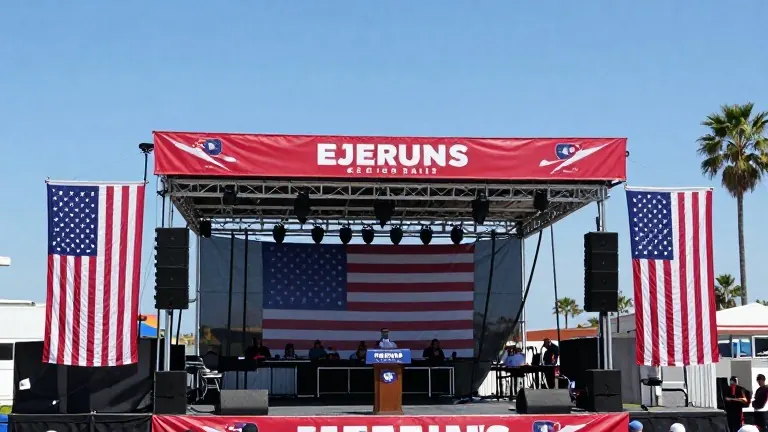
Political advertisements in the state frequently reference the conflict between local fishermen and out-of-state corporate interests. One ad praises Sullivan for championing legislation to reduce bycatch. Another accuses him of accepting money from trawlers. A third ad criticizes Peltola for telling fish tales to secure votes.
The pollock industry, valued at approximately $1 billion, is largely based in Seattle. The fish is a common ingredient in fast food menus across the United States. While the bycatch percentage remains low relative to the total harvest, the loss is felt most acutely in western Alaska where the salmon runs have failed to return to previous levels.
Source: WWNO