Houseplants: Study links indoor greenery to reduced stress in high-pressure environments
New research identifies job interviews as the top source of anxiety for Britons, while data suggests living plants can lower stress levels for over a third of respondents.
By Abena Mensah ·
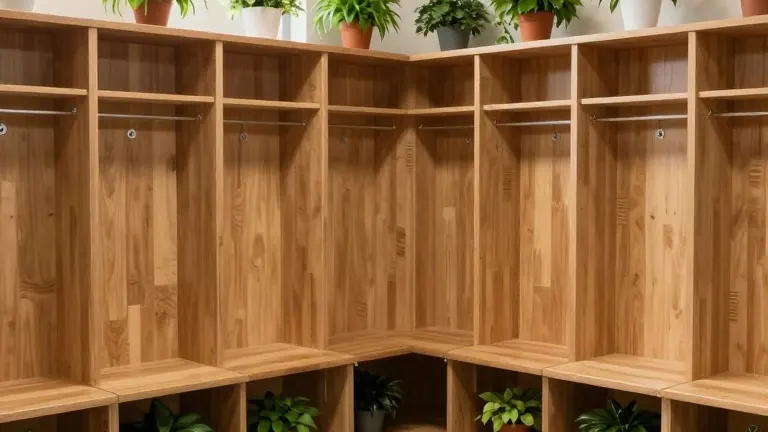
Plants and Flowers Foundation Holland is testing the impact of indoor vegetation in the changing room of Forest Green Rovers ahead of the club's National League match against Harrogate Town. The initiative, timed for International Stress Awareness Week, involves installing more than 60 houseplants sourced from the Netherlands into the team's home dressing room. The project partners with sports psychologist Dr. Josephine Perry to demonstrate how greenery affects professional athletes under pressure.
The experiment follows a national study commissioned by the foundation that ranked life events by their potential to trigger peak anxiety. Attending a job interview emerged as the primary stressor, affecting 52% of respondents. Difficult conversations followed at 50%, while giving a presentation or speaking in public triggered anxiety in 42% of the group. Waiting for a medical appointment and sitting for an exam rounded out the top five, with stress levels reported by 41% and 40% of participants, respectively.
Despite the prevalence of these stressors, respondents identified being outdoors in nature as their most reliable method for relief, cited by 32% of the group. However, the study found that modern living habits create a barrier to this relief. Over 14 hours of the day are spent indoors by the average British worker, and 56% of respondents admitted to rarely accessing green spaces during winter months. Consequently, 38% of participants reported that long periods spent inside make them feel worse.
The data indicates a direct link between indoor greenery and stress reduction. Thirty percent of survey respondents stated that having living houseplants in a room noticeably lowers their stress levels. Healthcare waiting rooms were the indoor space most desired for plant installation, selected by 48% of respondents, followed by offices at 27% and job interview waiting areas at 21%. A total of 39% of participants expressed a desire to introduce plants to a high-stress room in their home this winter.
Dr. Josephine Perry explained that the biological response to pressure involves cortisol flooding the body, which speeds up heart rate and breathing while blocking access to logical thought. She noted that stark indoor environments amplify this tension. Perry argued that living greenery acts as a natural buffer, reducing nervous system arousal and helping individuals focus and perform better when pressure mounts.
Monique Kemperman, PR and Events Lead at the foundation, stated that the pre-match dressing room is defined by high nerves and intense anticipation. The goal of the Forest Green Rovers partnership is to showcase the grounding power of nature in an extreme setting. The foundation aims to inspire the public to replicate these calming effects in their own offices and living rooms.
Dale Vince, founder of Forest Green Rovers, supported the initiative by noting that time in nature is increasingly prescribed by doctors. He referenced the club's existing Football on Prescription scheme and suggested that if plants boost wellbeing in offices, they can also do so in changing rooms. The club is described in the source as the world's greenest and first carbon-neutral football club.
The study also identified a barrier to adoption known as plant paranoia. Over a quarter of respondents, specifically 27%, cited fear of killing plants as a reason for avoiding the purchase of greenery. This sentiment stands in contrast to the finding that 30% of people experience tangible stress relief from having plants in their immediate environment.
Source: Bristol Post
More Business · Rip-Off Report · Report a business · Got a Story?