El Salvador troops reclaim Port-au-Prince stadium as Haiti weighs hope and caution
Salvadoran troops have recaptured a key stadium in Port-au-Prince, sparking a wave of hope among Haitians while raising questions about the long-term strategy and cost of the intervention.
By News Media House Staff ·
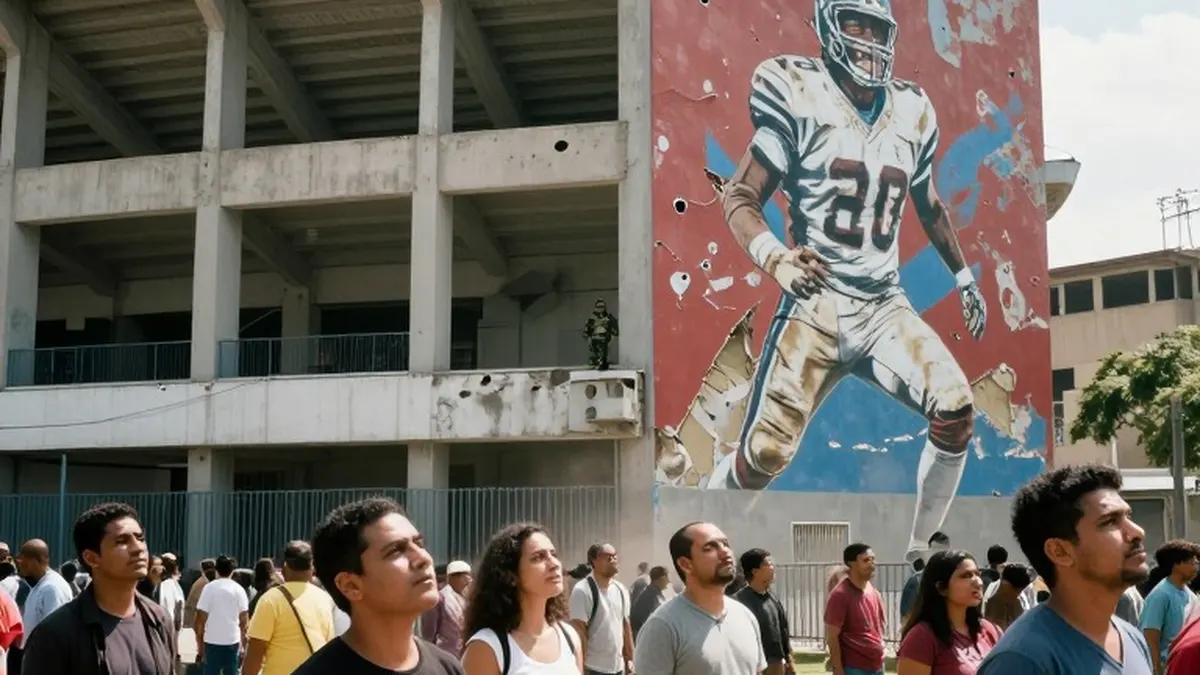
A bullet-riddled mural of Haitian striker Emmanuel Sanon still adorns the facade of the Sylvio Cator stadium in Port-au-Prince, but the venue has been silent for over two years. In 2024, as armed gangs seized control of much of the capital, the stadium fell under the grip of criminal groups led by a boss known as Izo. The facility, which once hosted football legends like Ronaldo and Roberto Carlos, became a tactical outpost, leaving Haiti's national team to play World Cup qualifiers on foreign soil.
That status quo shifted last week when Haitian police and Salvadoran soldiers recaptured the ground. Nayib Bukele, the president of El Salvador, described the operation as a significant step in liberating Haiti from a criminal insurrection that has displaced more than 1.5 million people and claimed thousands of lives. Since mid-October, Bukele has deployed more than 2,000 troops to the Caribbean nation, claiming that his forces now hold the upper hand.
Outside the stadium, named after an Olympic silver medalist from 1928, residents gathered to celebrate the intervention. Many expressed gratitude to the foreign leader, viewing him as a potential savior. Bòs Baton, a 55-year-old decorator, recalled being driven from his home in Poste-Marchand after gangs set it ablaze during an uprising that began in February 2024. He noted that areas previously inaccessible are now open, crediting Bukele's intervention for allowing his return.
The reception in Haiti mirrors sentiments in San Salvador, where Bukele's controversial anti-gang campaign has been a defining feature of his rule. Since the crackdown began in early 2022, over 90,000 Salvadorans have been jailed. While this mass incarceration has drastically reduced murder rates, it has also raised concerns about the state of democracy in El Salvador. Bukele has become a prominent figure for right-wing voters across Latin America and the Caribbean, who view his authoritarian approach as effective against criminality.
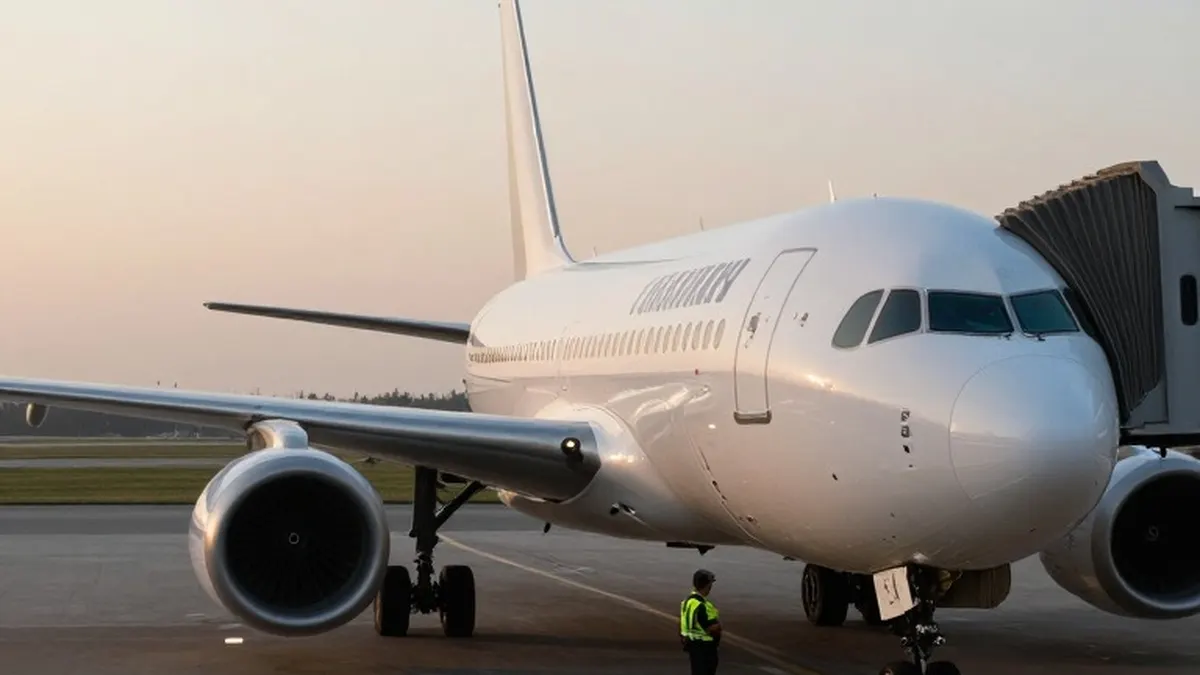
With a presidential election in El Salvador scheduled for February, Bukele appears eager to strengthen his international profile through this mission. Tiziano Breda, a regional expert, noted that the operation projects force and positions El Salvador as a key reference for security in the region. The initial trigger for the deployment was the abduction of four Salvadoran aviation technicians on October 18, though Vice President Félix Ulloa suggested the mission could extend beyond the rescue of these citizens.
Bukele has hinted at longer-term ambitions, posting dramatic social media clips of helicopter strikes on gang compounds. In Port-au-Prince, banners and billboards now feature slogans such as 'We're tired! Give us Bukele!' Venel Saindor, a 56-year-old bricklayer, displayed a bullet scar and spoke of criminals who still occupy his neighborhood. Like many others, he urged Bukele to help residents return to their homes.
Activist Monique Clesca described the mood as one of elation and hope, arguing that Bukele's decisive action exposed the inefficiency of previous leaders. She compared the situation to a mafia takeover, suggesting that Haiti's dire circumstances justify strong measures. However, unease persists. Heavy fighting continued in the Village of God, and police reported killing at least 34 suspected criminals near the stadium on Thursday.
Some observers suspect Bukele's social media presence may be amplifying the scale of recent successes. Others worry about the distinction between gang members and civilians, given the high incarceration rate in El Salvador. Despite these concerns, Clesca argued that Haiti's situation is even more precarious. A protester at a rally on Tuesday praised Bukele as a divine savior but added a cautionary note, urging the president not to start the mission and leave it unfinished.
Originally published by News Media House