
Cleveland lead test rate for toddlers climbs to 80%
A pilot program involving local clinics shifted testing to office finger pricks, boosting completion rates for children under 3.
By Emily Lawson ·
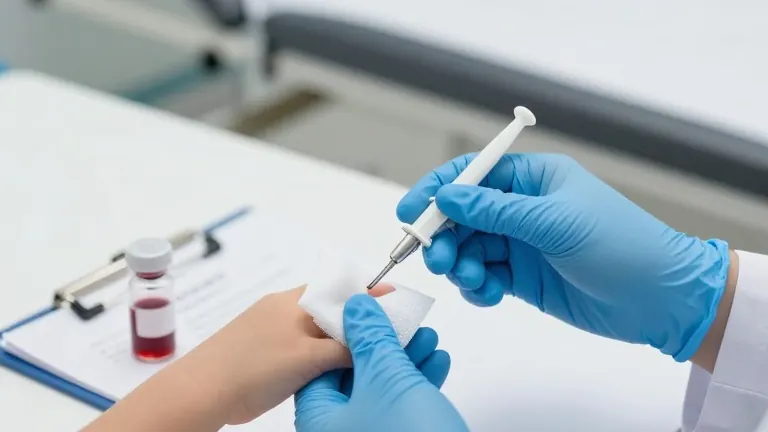
Cleveland health officials have raised the rate of lead screening for young children through a new testing protocol. The pilot program, which ran through September, increased the percentage of children under age 3 tested for lead poisoning. Last year, roughly 69% of these children underwent testing. By the end of the pilot, that figure rose to nearly 80%.
The increase stems largely from a change in how blood is drawn. Participating providers moved away from venous tests, which require a needle in the vein, toward capillary tests. These tests use a finger prick. In 2023, only 15% of ordered lead tests were capillary. By 2026, nearly 50% were.
Dr. Matt Tien, a pediatrician at MetroHealth, noted that the shift makes the process more practical for families and staff. "Seems like that doing a finger prick testing is just a more practical way to get lead testing done," Tien said. He added that the project helped spread this method across many practices in the area.
The Cleveland Department of Public Health collaborated with the Lead Safe Cleveland Coalition, Better Health Partnership, and local providers to implement these changes. Participating clinics included University Hospital, Cleveland Clinic, MetroHealth, and Neighborhood Family Practice. The goal was to complete tests during routine pediatric wellness visits rather than sending patients to separate labs.
Despite the overall rise in testing, disparities persist. Testing rates and positive results remain lower in specific areas, including Cleveland’s east side and refugee communities. Dr. Tien expressed cautious optimism that the improvements will last. "Now that the program is wrapped up, I'm cautiously optimistic that this will continue to stay improved," he said.
Robert Eick, president of Better Health Partnership, said it is too early to determine if the program will return for a second year. However, remaining funds will support follow-up testing and perinatal screenings. Eick noted that resources for phase one have largely ended, though there is hope for a continuation. The Department of Public Health will continue tracking data for children tested before age 1 and those receiving follow-up tests before age 2. Updated figures will be posted online.
Early exposure to lead is linked to cognitive decline and lifelong health issues. The city aims to maintain the higher testing rates achieved during the pilot period. The shift to office-based capillary testing reduced the barrier for families seeking care for their young children.
Source: WVIZ