74% of Americans say government is failing on economy ahead of midterms
Consumer sentiment has dropped to levels last seen during the 2008 financial crisis, even as GDP growth remains strong.
By Emily Lawson ·
Seventy-four percent of Americans believe the government is doing a bad job managing the economy, a figure Kathryn Anne Edwards, a Houston-based labor economist, described as occurring only three times since the 1970s. This level of dissatisfaction is set to dominate the U.S. midterm elections this week. The University of Michigan Index of Consumer Sentiment shows confidence has plummeted to levels lower than those recorded during the severe recessions of the 1980s and the 2008 to 2009 financial crisis.
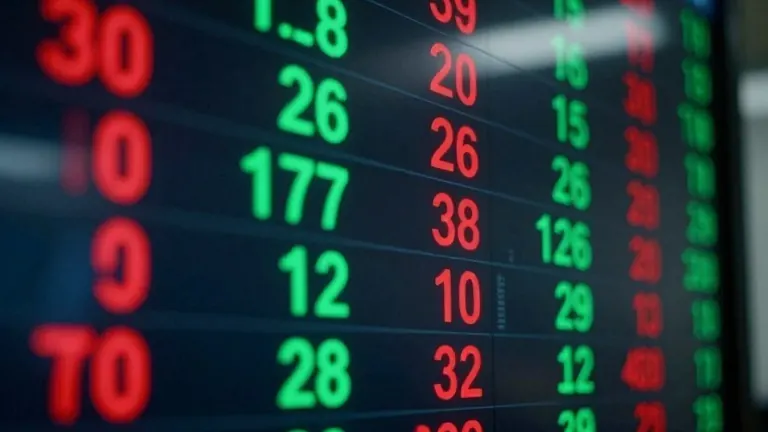
The decline in sentiment stands in sharp contrast to macroeconomic indicators. U.S. GDP expanded by 3.8 percent in the third quarter, the fastest growth rate in the Western world. RBC economists Mike Reid, Carrie Freestone, and Imri Haggin noted that consumer spending remains strong, layoffs are at ultra-low levels, and unemployment has been stable over the past year. Stock markets sit at all-time highs, and investment in artificial intelligence continues to rise.
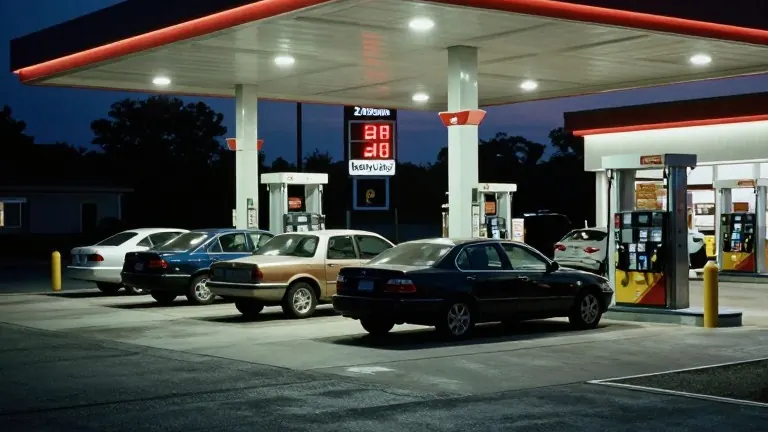
Despite these metrics, voters cite inflation as the primary economic concern. Francis Geneveux, lead economist at Desjardins Group, wrote that rising prices outweigh job reports and housing affordability for most Americans. Two factors drive these price increases: U.S. tariffs and the ongoing conflict with Iran. Gas prices spiked when the war began and remain higher than they were a year ago, a cost that is visible to all drivers and pedestrians alike.
A report from the New York Federal Reserve found that tariffs contributed 2.9 percentage points to goods price inflation by February 2026. Researchers Mary Amiti, Sebastian Heise, and David E. Weinstein stated that without these tariffs, goods prices would have fallen slightly rather than rising. Overall U.S. inflation has ticked up to 3.7 percent, with economists warning that prices are not yet finished climbing. Edwards noted that the consumer sentiment index dropped sharply twice: when tariffs were introduced and when the war with Iran began.
Edwards said, "Americans get it. Tariffs have made their lives more expensive." She added that the current economic situation is "so completely unprecedented" that it is difficult to describe. The University of Michigan index has been tracking these trends since the 1940s and has been a monthly survey since 1978. Historically, such plunges in sentiment have only occurred during the deepest phases of a recession, yet the U.S. economy is not currently in a recession.
Voters will cast their ballots this week in elections that could result in sweeping changes to the composition of Congress. If the polls hold, the balance of power on Capitol Hill may shift significantly. Edwards, a policy consultant, stated that these numbers indicate the U.S. economy is failing American households on a fundamental level. The election outcomes will determine whether newly elected Senate and House members take action on economic policy, including tariffs that affect trade partners like Canada.
Source: CBC News
More Business · Rip-Off Report · Report a business · Got a Story?